top rated Waterloo Modular Building for commercial use
Make the Most of Your Space: The Definitive Guide to Picking the Ideal Storage Shed
Picking the best storage shed is crucial for enhancing outdoor space efficiently. It requires careful evaluation of individual requirements, available area, and suitable materials. A properly chosen shed not only fulfills functional needs but also enhances the overall appeal of a property. Grasping these factors can be complex. What characteristics will truly make a difference? Examining these aspects can lead to a more organized and valuable outdoor environment.
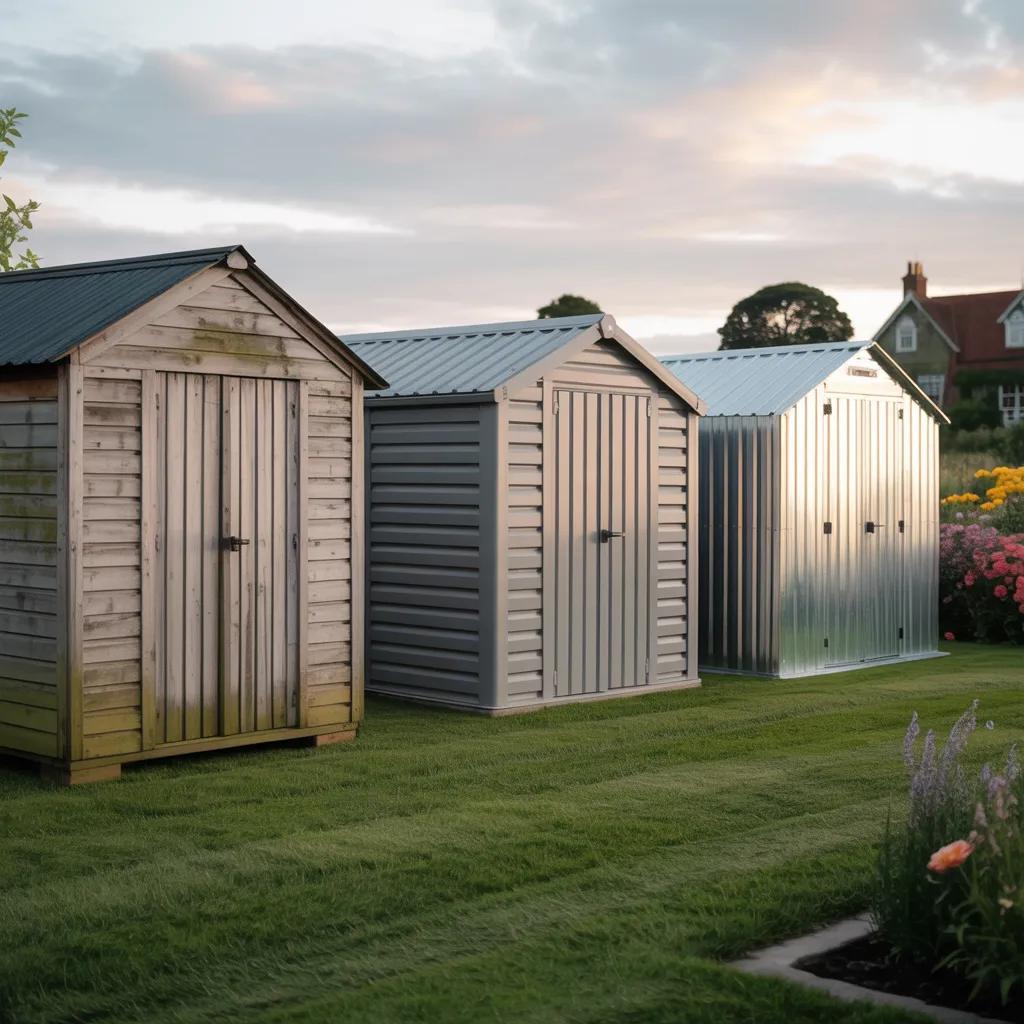
What Would You Use a Storage Shed For?
When considering the acquisition of a outdoor shed, one might consider what exact purposes it will address. Recognizing these purposes is crucial for arriving at a thoughtful conclusion. Numerous homeowners need extra space for gardening tools, exterior gear, or seasonal decor. A outdoor shed can also serve as a personal hobby area, providing a specific space for woodworking or crafting.
Many homeowners may seek a shed to house lawn equipment, bikes, or pool accessories, ensuring these items are protected from the elements. Furthermore, for those with pets, a shed can provide a safe space for pet supplies or even a cozy retreat for animals.
At its core, determining the planned function of the shed will direct the decision-making process. Properly evaluating needs allows for a more customized and practical choice, guaranteeing the shed successfully improves storage and optimizes the space available within the yard or garden.
How Much Space Will You Need?
Determining the correct capacity for a garden shed involves assessing personal storage needs. Understanding what items will be stored and evaluating the space at hand are fundamental factors in this process. Moreover, applying practical measuring methods can ensure a proper placement within the intended area.
Understanding Your Storage Needs
How can one accurately gauge their storage needs? The first step involves creating an inventory of belongings that require storage. These may consist of seasonal items, tools, outdoor gear, and additional belongings that lack space inside the house. Grouping belongings according to their size and how often they are used can help determine what storage space is truly needed.
Additionally, think about the future; forecasting possible additions can assist in accurately gauging space demands. Moreover, one should determine whether they must have dedicated shelving, workspaces, or open floor space for bigger belongings.
In conclusion, it is important to take into account accessibility. Ensuring that regularly accessed items are easily reachable can affect the overall size and layout of the storage solution. By thoroughly assessing these considerations, one can make informed decisions about the ideal storage shed.
Techniques for Measuring Available Space
To accurately measure available space for a storage shed, individuals must first assess their outdoor area and identify any physical constraints, such as property lines, trees, or existing structures. Next, using a tape measure, they should determine the dimensions of the desired placement area, ensuring that adequate clearance around the shed is factored in for accessibility and proper ventilation. Additionally, marking the shed's footprint with stakes or chalk is a practical way to confirm it will fit in the intended space. Additionally, considering local zoning regulations may influence the shed's placement and size. Ultimately, following a detailed measurement process confirms that the selected storage shed will fit harmoniously into the outdoor setting while making the most of its functional potential.
What Materials Are Best to Use for Your Shed?
When selecting a storage shed, the selection of materials greatly impacts durability, maintenance, and aesthetics. Popular materials encompass wood, metal, and plastic, each offering distinct advantages.
Wooden sheds offer a timeless appearance and are highly customizable but require regular maintenance to prevent rot and pests. Metal sheds, commonly manufactured from galvanized steel or aluminum, are durable and weather-resistant but can be susceptible to rust if not properly treated. They typically require minimal upkeep.
Plastic sheds, constructed from durable resin or high-density polyethylene materials, are lightweight, highly resistant to rot and decay, and virtually maintenance-free, making them a perfect option for homeowners seeking convenience.
Ultimately, the choice should consider personal preferences regarding style, the ability to maintain it over time, and the shed's intended purpose. Each material has its unique benefits, making it critical to consider your specific needs before making a final choice.
How to Match Your Shed Design to Your Home
Selecting a storage shed that matches the design of a home improves both practicality and visual charm. To accomplish this goal, homeowners should start by examining the design elements of their home. For example, a contemporary home might look great alongside a clean, minimalist shed, whereas a classic house may be better suited to a timeless wooden shed with ornate trim.
Color matching is equally important; matching the shed's hue to the home's exterior can create a cohesive look. Homeowners should consider their landscape as well; incorporating the shed seamlessly into the garden's existing elements will boost its visual charm.
In addition, the storage shed's size should align with the proportions of the house and surrounding structures, so that it won't dominate or seem insignificant. When all is said and done, the goal is to establish a balanced blend between the storage structure and the home, enhancing the overall visual landscape while supplying ample storage options.
How Much Should You Plan to Spend on Your Shed?
Establishing a visit resource budget for a storage shed necessitates a thorough assessment of various factors. Important factors like material, size, and design can greatly influence final expenses. Understanding these components will help in establishing an accurate budget that aligns with both requirements and preferences.
Calculate Shed Size
How can one determine the correct storage shed size while staying within budget? The first step involves evaluating the purpose the shed will serve. Identifying whether it will store gardening tools, outdoor furniture, or larger equipment can impact the size needed. Next, it is critical to assess the yard's available space, making sure there is sufficient room for the shed while keeping local zoning regulations in mind. Budget considerations also play a key role; bigger sheds typically demand a greater investment. Therefore, placing needs above wants can assist in reaching a cost-effective decision. Moreover, planning for future storage needs can prevent the necessity of a second purchase, thereby saving money over time.
Material and Design Costs
What factors should one consider when calculating the costs of materials and design for a garden shed? Initially, the decision regarding materials greatly influences the total expenditure. Typical choices consist of metal, wood, and plastic, each varying in price and durability. Additionally, the intricacy of the shed design—including roofing type and the addition of windows—can influence costs. Workforce costs should equally be considered, especially for custom designs or professional installations. Beyond that, regional construction codes could mandate permits, increasing the total cost. Researching and evaluating pricing from multiple suppliers and contractors is recommended so as to identify the most favorable offer. Ultimately, a carefully structured budget addressing each of these factors allows an individual to make a knowledgeable determination when investing in a storage shed.
Key Features You Need in Your Ideal Storage Shed
Picking the right outdoor shed entails evaluating multiple critical elements that can increase performance and longevity. First, adequate airflow is crucial to reduce moisture buildup and preserve stored items. Integrated shelving and storage systems improve space efficiency, providing effortless access to stored tools and items. Furthermore, a sturdy locking mechanism is necessary for protecting your valuable belongings.
A robust structure, be it concrete or wood, offers lasting stability, while weather-resistant materials provide reliable protection against harsh weather. Think carefully about the size; it ought to satisfy present needs while leaving space for expansion. Installing windows for natural light can increase visibility, making it easier to find items.
Last but not least, aesthetic appeal should not be overlooked. Picking a style that suits the house and garden can boost the overall value of the property. By integrating these key characteristics, people can find a garden shed that meets both practical and personal requirements.
Common Questions and Answers
What Are the Best Locations for Placing a Storage Shed?
Prime areas for installing a storage shed consist of flat, well-drained areas away from trees, providing sufficient sun exposure and convenient entry. Nearness to your residence increases usability, while adhering to local codes and boundary lines remains critical.
How Can I Keep My Storage Shed in Good Condition Over Time?
Proper maintenance of a storage shed requires inspecting for damage, cleaning debris, checking for leaks, and treating wood with protective coatings. Maintaining adequate ventilation helps prevent mold growth, while regular organization keeps stored items accessible and orderly.
Can I Customize My Storage Shed?
Absolutely, storage sheds can be tailored in many different ways. Owners are able to customize materials, colors, dimensions, and interior designs according to their individual needs, making sure the shed blends seamlessly with their property while meeting their storage needs.
What Permits Do You Need to Build a Shed?
Local rules generally specify that building permits may be required for sheds. Homeowners should check zoning laws, height restrictions, and property lines, making sure they comply to prevent fines or possible demolition of the structure.
How Do I Keep My Storage Shed Safe From Thieves?
To safeguard a storage shed from burglary, homeowners should fit heavy-duty locks, use motion-activated lights, reinforce doors and windows, install a surveillance camera, and ensure the shed remains visible from the main residence.